
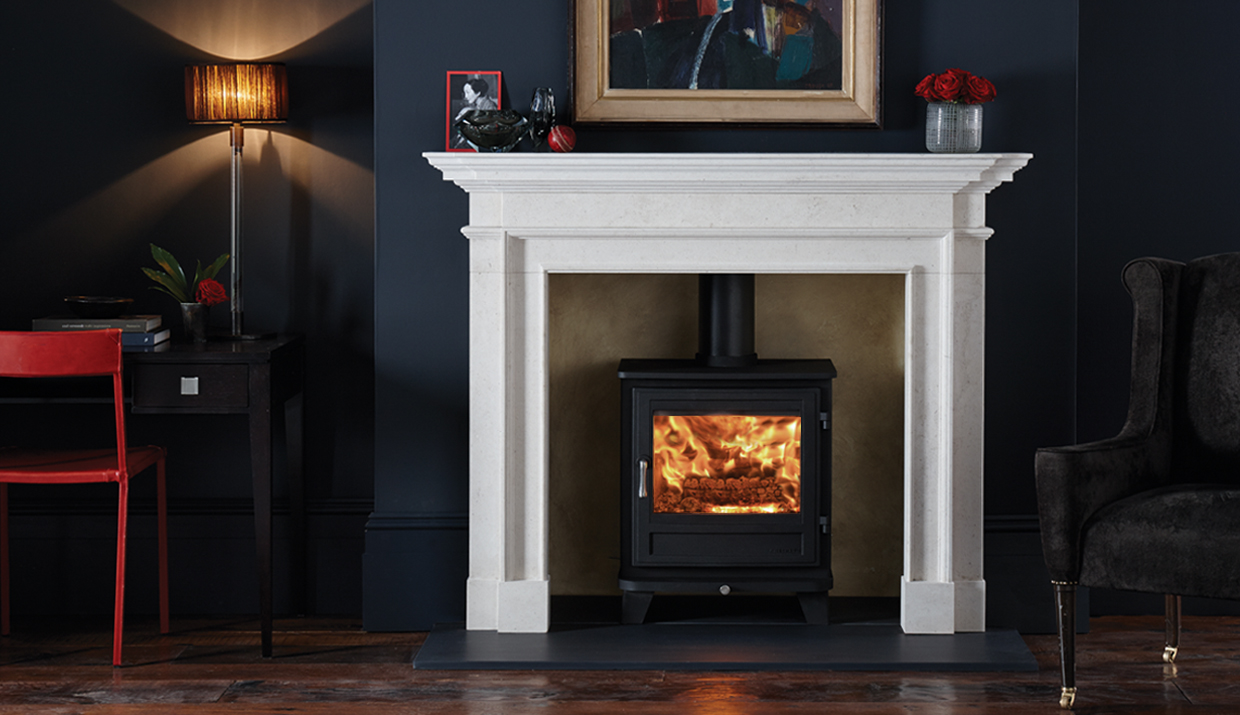
Research is key when it comes to purchasing wood burning stoves, but unfortunately the internet is rife with misinformation. So much so that all the myths surrounding this heating option could put you off the idea altogether, especially if you don’t know how to distinguish the facts from the fiction.
Luckily, we’re here to help you out. The following sections will debunk the four most common wood burning stove myths and replace them with the truth, so you can determine whether this heating solution is for you (spoiler: it probably is).
Common Myths About Wood Burning Stoves
As promised, we’ll squash the myths first:
Myth 1: Wood Burning Stoves are Banned
Despite what unreliable sources may state, wood burning stoves are not banned in any part of the UK — nor are there any plans to ban them — since many households remain reliant on solid fuel burning as a primary source for hot water, cooking, and heating. However, there are regulations that must be adhered to.
These regulations are published by the Department for Environment, Food & Rural Affairs (DEFRA) and include the following:
- If you live in a smoke control area, newly installed wood burning stoves can’t emit more than 3g of smoke per hour. Most urban areas of England are smoke control areas, but you can check DEFRA’s online map to make certain.
- You can install a wood burning stove in a smoke control area provided the stove is on the DEFRA-exempt appliances list (such as Chesneys range)
- You must use approved fuel, as per DEFRA’s approved list. The “Ready to Burn” logo on fuel packaging means it complies with DEFRA’s regulations.
- All newly installed wood burnering stoves must adhere to Ecodesign rules.
Myth 2: They’re Terrible for the Environment
While older wood burning stoves can be said to be bad for the environment due to their high particulate matter emissions, the same cannot be said for modern Ecodesign-compliant wood burning stoves.
Today’s wood burners boast technologies, such as clean-burn systems, which reduce emissions, when used with the proper fuel.
Myth 3: You Can Burn Any Type of Wood
You cannot burn any type of wood in your wood burning stove. As briefly mentioned above, you need to select the right fuel to comply with DEFRA regulations, keep your home safe, and ensure you aren’t negatively impacting the environment.
It’s important to select dry, seasoned wood, as this has the optimal moisture content of 10% to 20%. The lower the moisture, the better the quality and the more efficient the firewood will be. Not only is it easier to light, but it’ll give off more heat without increasing creosote and ash.
Choosing improper fuel, such as wet or treated wood, can damage your stove and chimney, while releasing harmful particulates.
Myth 4: Wood Stoves are Outdated and Inefficient
Critics use old data to suggest the inefficiencies of wood burning stoves. But this is merely a myth. Modern stoves are much more efficient, produce fewer emissions, and remain an integral part of homes across the United Kingdom.
The Facts About Wood Burning Stoves
With the myths debunked, take a look at the facts:
Fact 1: Modern Wood Burning Stoves are Highly Efficient
Since 2017, the wood burning stove has become an efficient heating machine, thanks to years of innovation. While an open fire would need 16 logs to create 4kW of heat over five hours, an Ecodesign-compliant wood burning stove needs just five — a whopping 69% reduction!
Modern stoves boast an efficiency of between 80% and 90%, meaning more than 80% of the fuel is converted to heat. Compare this to the 25% achieved by an open fire and a wood burner is a no-brainer.
Fact 2: They Can Be a Sustainable Heating Option
Provided wood is sourced from sustainable forests and emissions satisfy DEFRA’s regulations, wood is a renewable and carbon-neutral way to heat your home. A kiln-dried log is 88% less carbon intensive than mains gas heating and 91% less than electricity. Not to mention that well-managed woodlands are more productive, encouraging wildlife health and biodiversity.
Fact 3: They’re Great for Off-Grid and Backup Heating
Whether you live in a rural location or just want a fail-safe option in the event of power outages. All it takes is a correctly installed stove and a couple of logs to stay cosy. Wood burning stoves don’t leave you susceptible to increases in oil and gas prices due to economic and political volatility.
Fact 4: They’re Stylish and Add Value to Your Home
Innovation hasn’t only revolutionised the efficiency; it’s revolutionised the aesthetics, too. Whatever your interior design style, you can find a stove that will be compatible with the look of your home . Estate agents advise that a wood burning stove is a desirable feature in any property.
Fact VS Fiction, Resolved!
Outdated statistics are the main reason for the current range of wood burning stove myths, but we’ve well and truly busted them. So, go forth and choose the efficient, modern wood burner for you to give your home that extra cosy factor.
Explore our range our wood burning stoves today.