
Article Summary
- Global conflicts are driving up oil prices and causing understandable anxiety over winter energy bills.
- Relying entirely on a traditional central heating boiler to warm an entire house is becoming an expensive luxury.
- Adopting a zonal heating approach with a modern stove lets you efficiently heat only the rooms you use.
- Utilising sustainable and locally sourced wood fuel provides genuine independence from volatile global energy markets.
-
What Rising Oil Prices Mean for the Cost of Heating Your Home
Just yesterday, a client walked into the showroom with a look of genuine concern. They own a beautiful period property out in the countryside. Like many rural homes, it relies entirely on an oil-fired boiler for its central heating. With the news constantly reporting on the war and its impact on global energy markets, they asked me a very direct question. They wanted to know exactly what soaring oil prices would mean for the cost of heating their home this winter and whether a fireplace could actually provide a practical layer of protection.
I sat down with them and poured a coffee.
I explained that, while we are indeed a luxury brand, the fundamental purpose of our engineered products is to provide efficient, effective warmth. The conversation about aesthetics always comes second to the conversation about performance when we’re considering heating appliances.
Here is how I broke down the current energy landscape for them and explained how a modern fireplace offers a genuine solution.
The Heavy Burden of Central Heating
We discussed how traditional central heating systems work. When you turn up the thermostat, the oil boiler kicks in and sends hot water to every radiator in the house. The problem is that most families occupy only one or two rooms in the evening. If international conflicts are pushing oil prices to record highs, paying to heat five empty bedrooms while you sit in the living room becomes a financial drain.
This is where rising costs are forcing homeowners to rethink their energy strategy. It is no longer practical to rely on a single volatile fuel source for home heating.
The Power of Zonal Heating
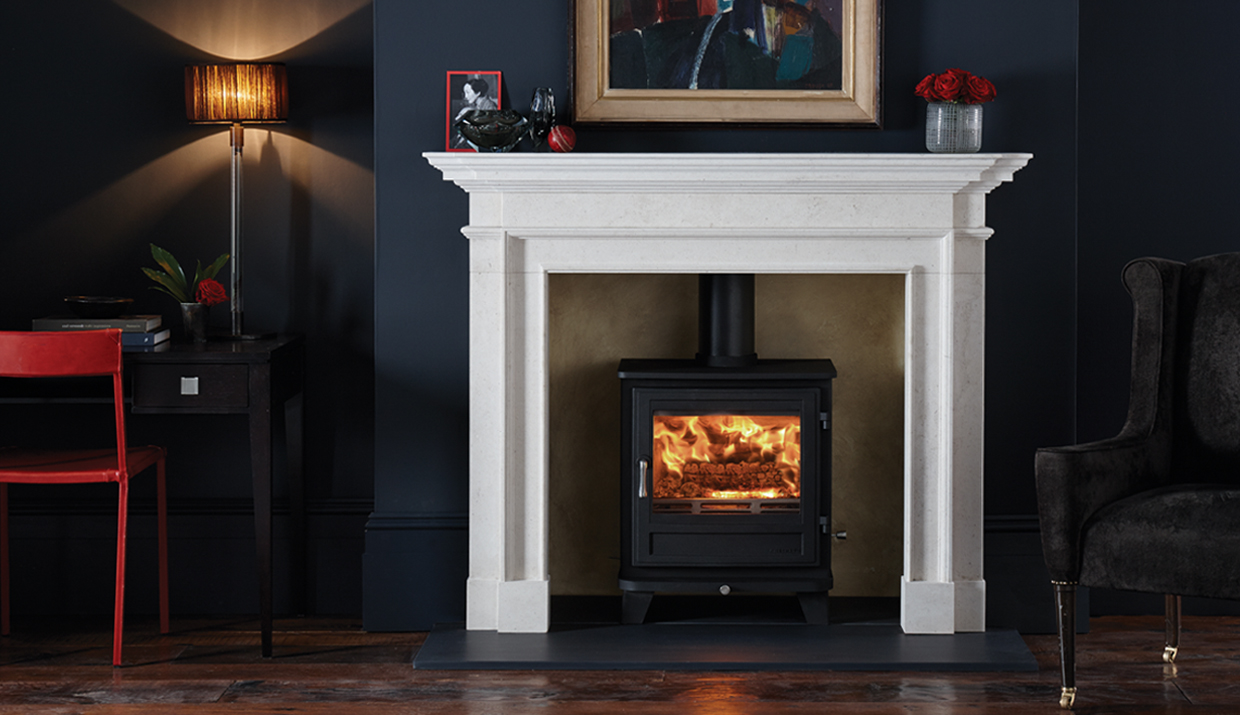
This was the moment I introduced the concept of zonal heating. I walked the couple over to our live display of a Salisbury wood-burning stove.
I explained that zonal heating is simply the practice of heating the specific room you are in. By installing a high-efficiency stove in the main living area, you can set your central heating thermostat to a lower temperature. The stove provides abundant radiant heat exactly where you need it.
Here are the key benefits of adopting a zonal heating approach:
- Targeted Warmth: You heat the people rather than the empty spaces.
- Reduced Boiler Strain: Your main oil-fired central heating system works much less frequently.
- Financial Control: You directly manage your fuel consumption evening by evening.
Gaining Independence with Wood Fuel
The husband asked if buying wood would replace one expensive bill with another. It is a question that I hear quite often.
I explained the fundamental difference between fossil fuels and sustainable timber. Global events and foreign conflicts beyond our control determine oil prices. In contrast, locally sourced kiln-dried logs offer a much more stable and predictable pricing structure. Furthermore, modern Ecodesign wood-burning stoves are astonishingly efficient. They extract every ounce of heat from the wood, meaning a surprisingly small amount of fuel can heat a large room for an entire evening.
By adding a stove to their home, they were not just buying a beautiful focal point; they were also creating a space for family gatherings. They were buying a degree of energy security.
By the end of our meeting, their anxiety had noticeably lifted. They realised that soaring oil prices did not mean they were powerless. It simply meant they needed to heat their home smarter.
They decided on a classic Beaumont stove. They left the showroom knowing that, whatever the energy markets do this winter, they will have a warm, welcoming hearth waiting for them.